Why Your Wheels Are Stuck in the Past — And What Modern Engineering Solves
From early automotive history to modern performance demands — learn why traditional wheel technologies can’t keep up and how GripSafe-ready wheels redefine safety and handling.
Wheels have come a long way since the era of wooden spokes and early cast rims — but not far enough in terms of safety under extreme conditions. Many wheels in use today are still rooted in legacy design principles that prioritize ease of manufacture over high-speed dynamic stability.
At higher speeds and under lateral force imbalances, outdated wheel structures can compromise tire stability, suspension response, and driver confidence — an engineering gap that AEGIS GripSafe is designed to close.
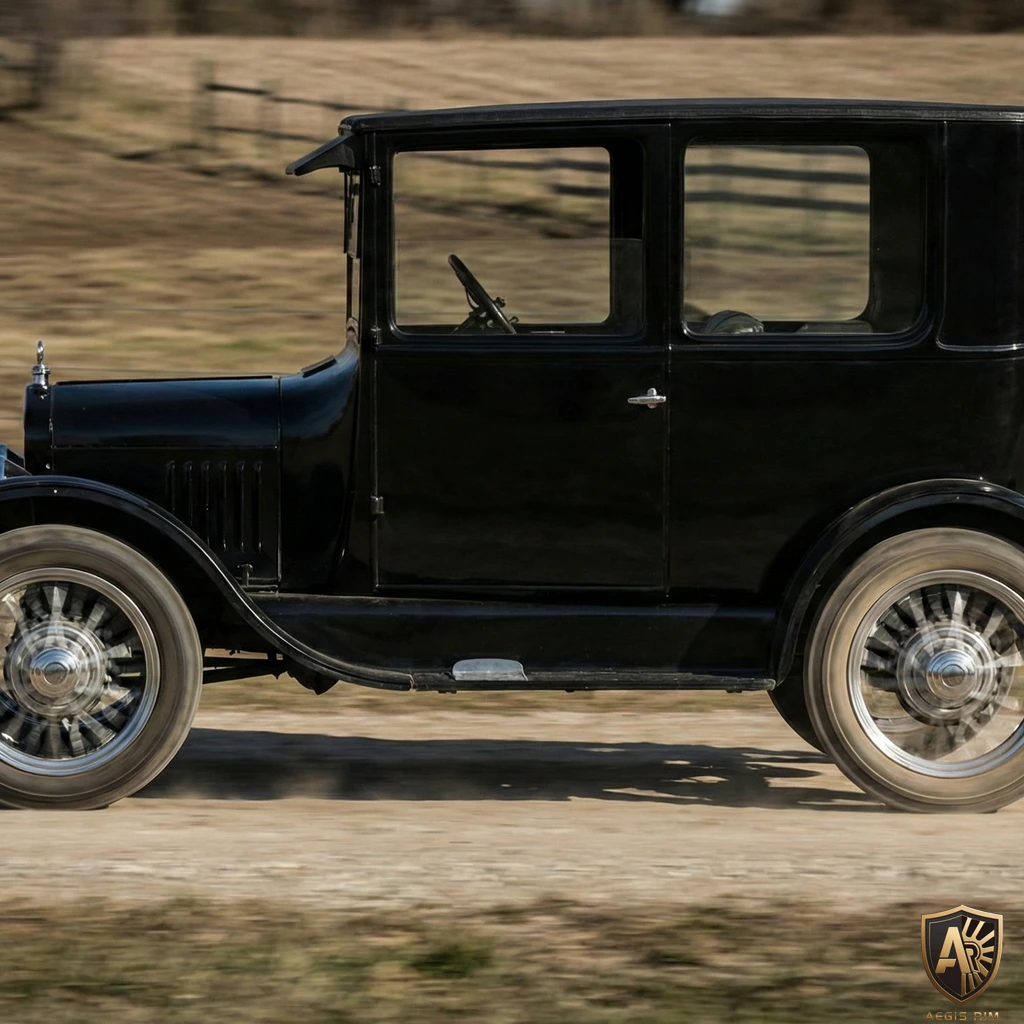
The Legacy of Wheel Design
Historically, wheel design focused on load-bearing and cost efficiency — adequate for 20–30 mph cruising speeds. However, those same principles became obsolete as cars began exceeding highway speeds. The internal structures of these wheels were not engineered to manage the complex physics of centrifugal force, lateral imbalance, or blowout scenarios.
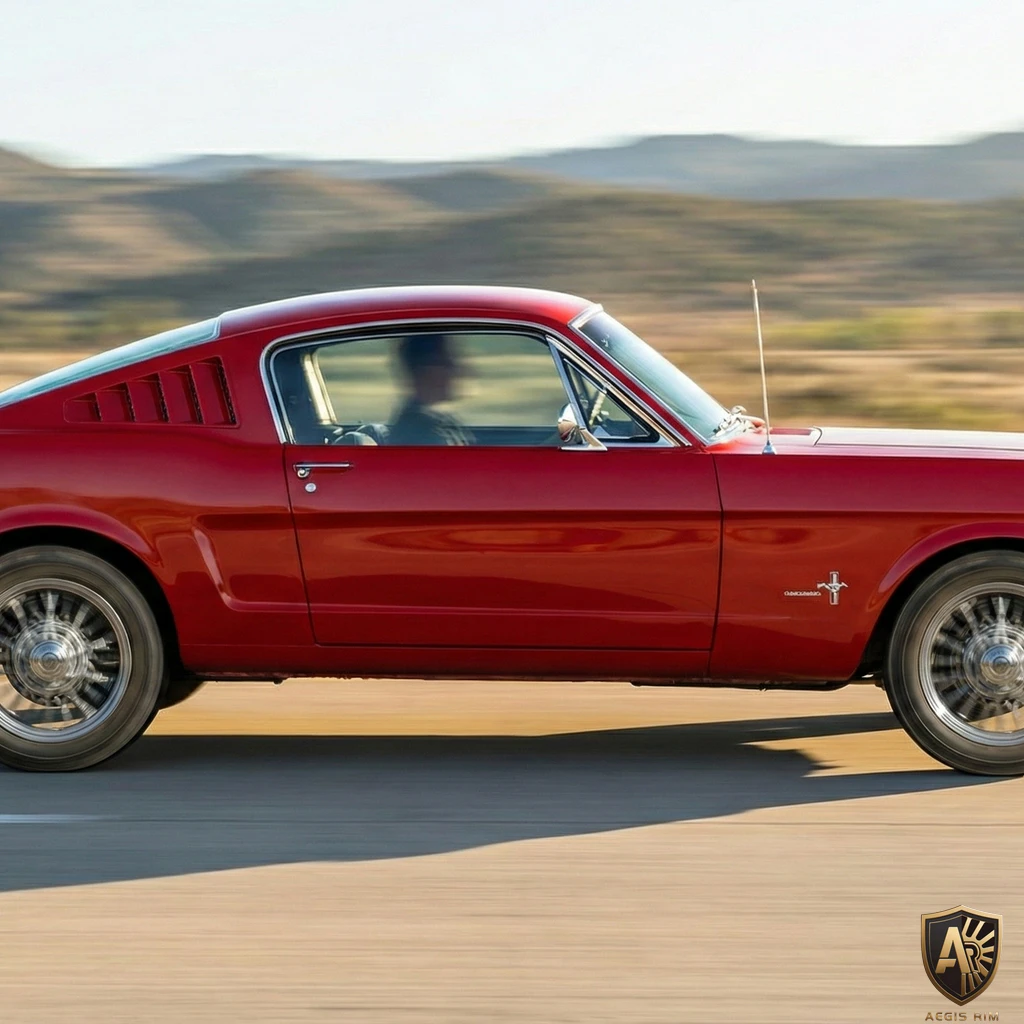
Modern Demands on Wheel Architecture
Today’s cars face vastly different demands: rapid cornering, emergency maneuvers, and tire pressure instability events. Wheels must be designed to maintain bead engagement, manage centrifugal stretching, and keep contact patches stable even as pressures change dynamically.
AEGIS GripSafe integrates advanced mechanical bead-locking into wheels that deliver performance and safety beyond what legacy wheel architecture was ever designed to achieve.
From Vintage to Visionary Engineering
The evolution from primitive wheels to modern safety-aware designs highlights one truth: wheels must adapt as vehicle performance evolves. AEGIS GripSafe encapsulates that evolution — merging strength, stability, and advanced mechanical response in a way legacy wheels cannot match.


Wheels stuck in the past can’t meet the demands of modern driving physics. AEGIS GripSafe redefines what safety and performance wheels should be — engineered for today’s speeds, forces, and dynamic challenges on American roads.