Run-Flat Safety on Highways: Why GripSafe Outperforms Traditional Rims
High-speed blowout risks demand reliable engineering. Discover why traditional run-flat methods fall short — and how AEGIS GripSafe preserves control where it matters most.
Every driver’s worst nightmare is a blowout on a crowded highway — especially at night or under icy conditions. Traditional run-flat systems attempt to help drivers continue after pressure loss, but too often they sacrifice handling and stability in the very environments where control is most critical.
AEGIS GripSafe was engineered to address these weaknesses, offering a mechanical bead lock that maintains predictable tire-to-rim engagement — giving drivers the stability they need to reach safe terrain.
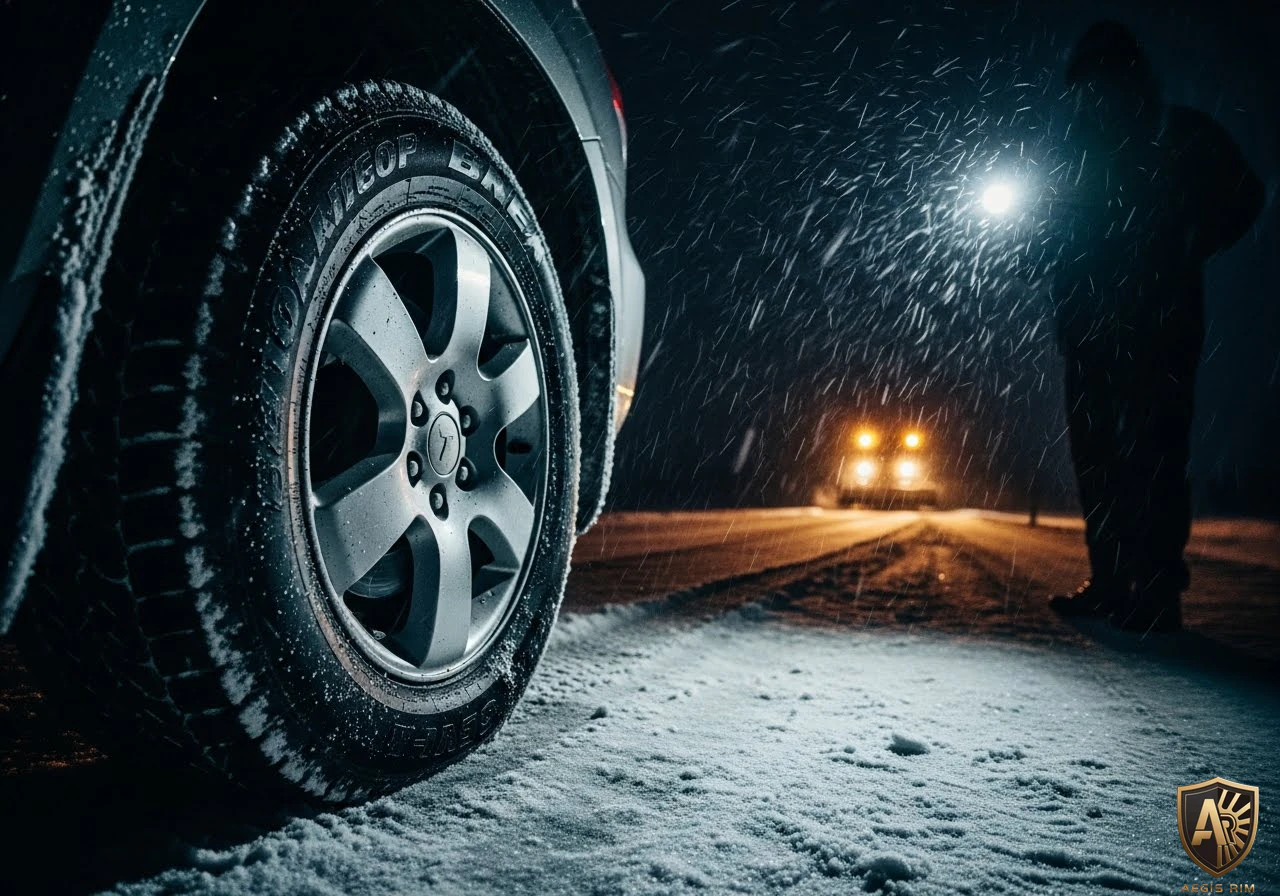
The Challenge of Run-Flat Designs
Traditional run-flat systems rely on heavy internal support structures that can add unsprung mass, degrade suspension response, and reduce steering precision. While they may provide post-blowout mobility, they often do so at a cost to everyday handling — especially when cornering or navigating highway debris.
On high-speed roadways, this trade-off can mean the difference between maintenance and disaster.
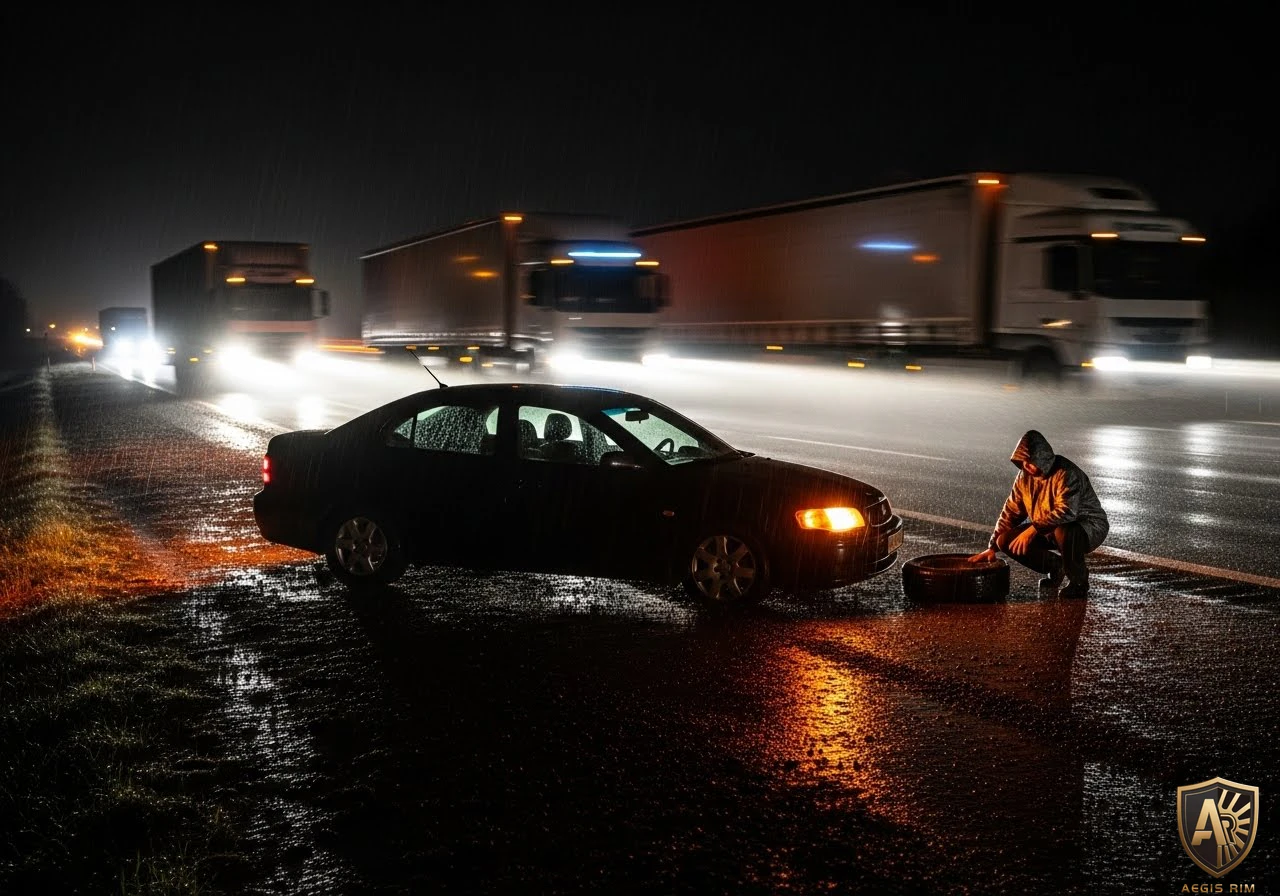
How GripSafe Enhances Highway Safety
AEGIS GripSafe engages mechanically the moment pressure drops, locking the bead to the rim and preserving lateral stability. This allows drivers to maintain predictable handling even as conditions deteriorate — giving them the control needed to navigate toward a safe exit, shoulder, or emergency area.
In controlled tests and real-world scenarios, GripSafe outperforms traditional run-flat designs across lateral stability, handling response, and emergency maneuvering — especially on highways.
Highway blowout safety requires more than passive support. AEGIS GripSafe delivers mechanical engagement that maintains control, responds to lateral imbalances, and helps drivers reach safety — even in the most unforgiving conditions.