Wheel Coatings in 2025: Powder vs. Ceramic for Performance
The automotive wheel coating market is rapidly evolving, projected to reach $1.09 billion by 2035 from $807.4 million in 2025. This growth is fueled by increasing demand for enhanced durability, corrosion resistance, and aesthetic appeal. Two dominant technologies are powder coating and ceramic coating, each offering distinct advantages. This article examines the properties, performance characteristics, and applications of these coatings, providing insights for automotive professionals navigating the 2025 landscape.
Powder Coating: Durability and Cost-Effectiveness
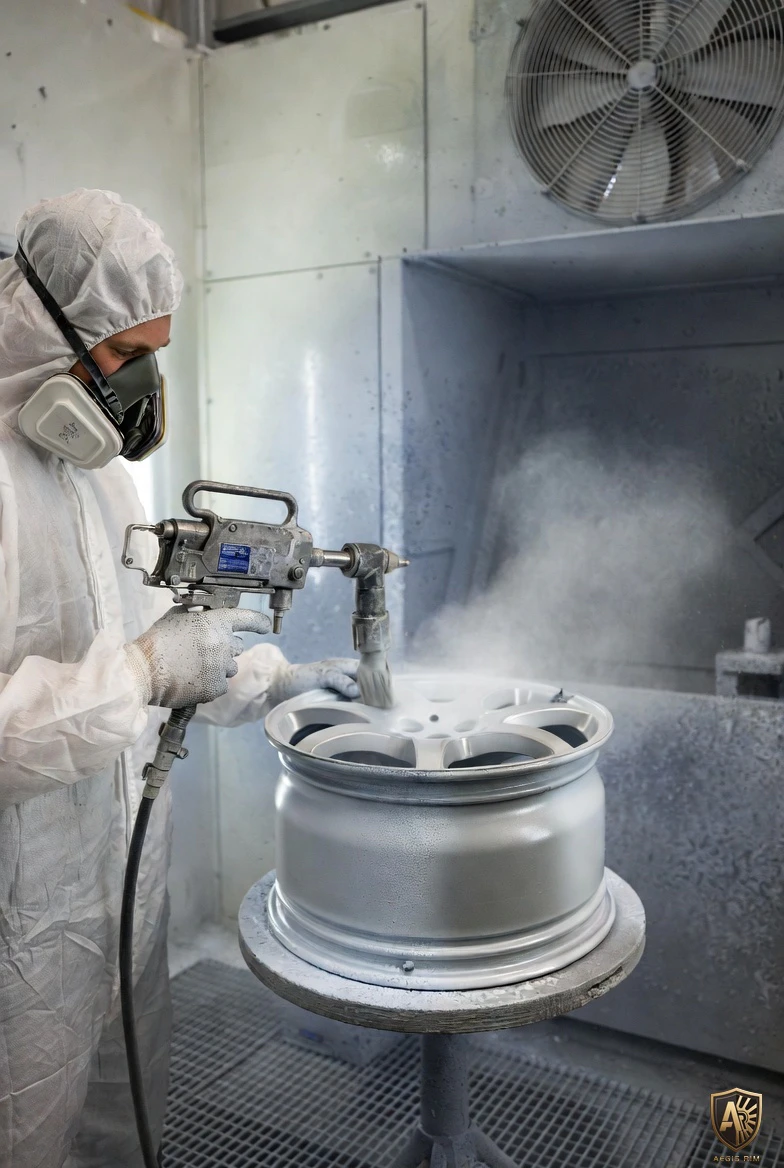
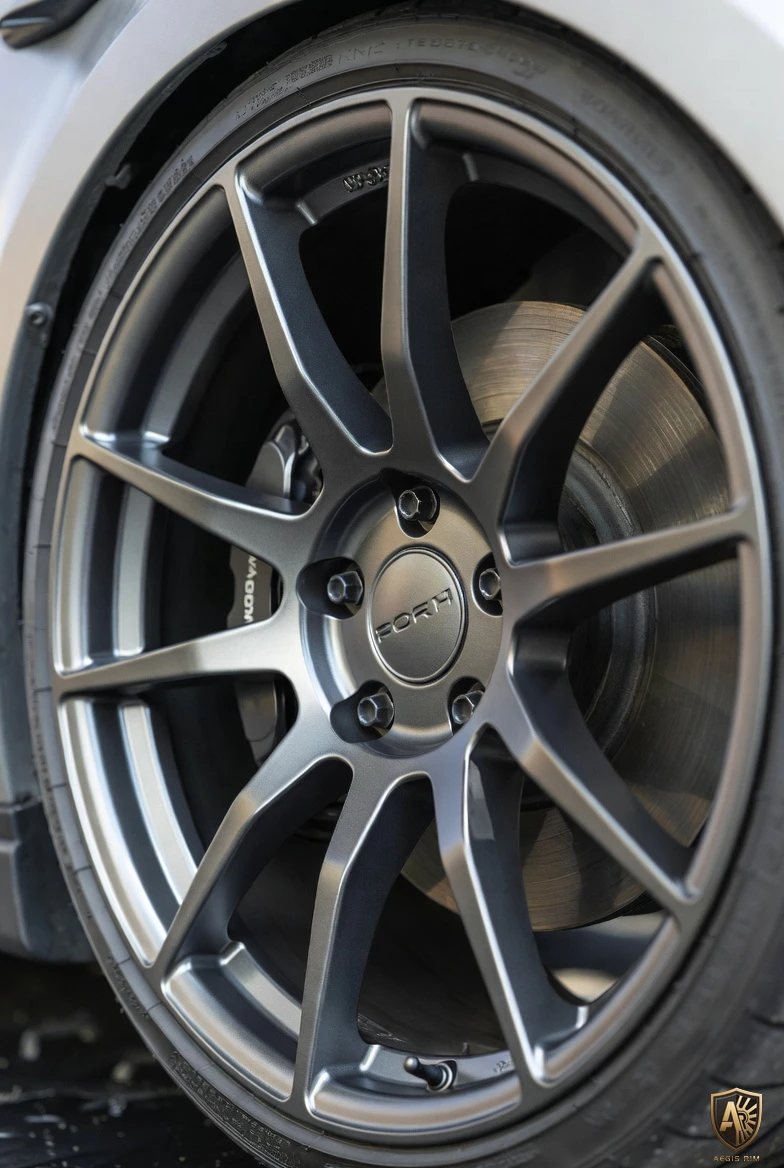
Powder coating involves applying a dry, free-flowing powder electrostatically to a surface, followed by curing under heat to form a hard, durable finish. This process excels in creating a robust barrier against chipping, scratching, and peeling, making it ideal for wheels exposed to harsh road conditions. Powder coating’s primary advantage lies in its exceptional durability and cost-effectiveness. The single-coat application process reduces material waste and labor costs compared to traditional liquid paints. Furthermore, powder coatings offer excellent resistance to UV degradation and chemical exposure, ensuring long-term protection against environmental elements. However, powder coating may offer less design flexibility compared to liquid paints, especially for intricate detailing or multi-color finishes.
Ceramic Coating: Enhanced Protection and Aesthetics
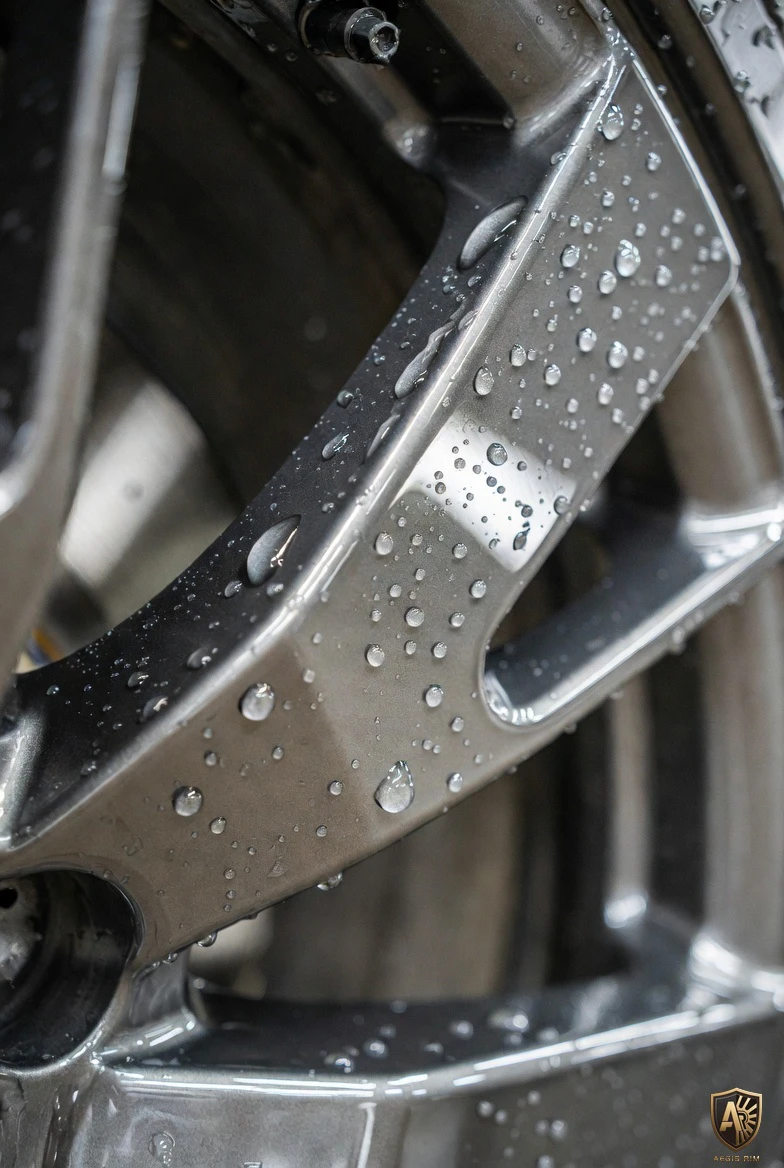
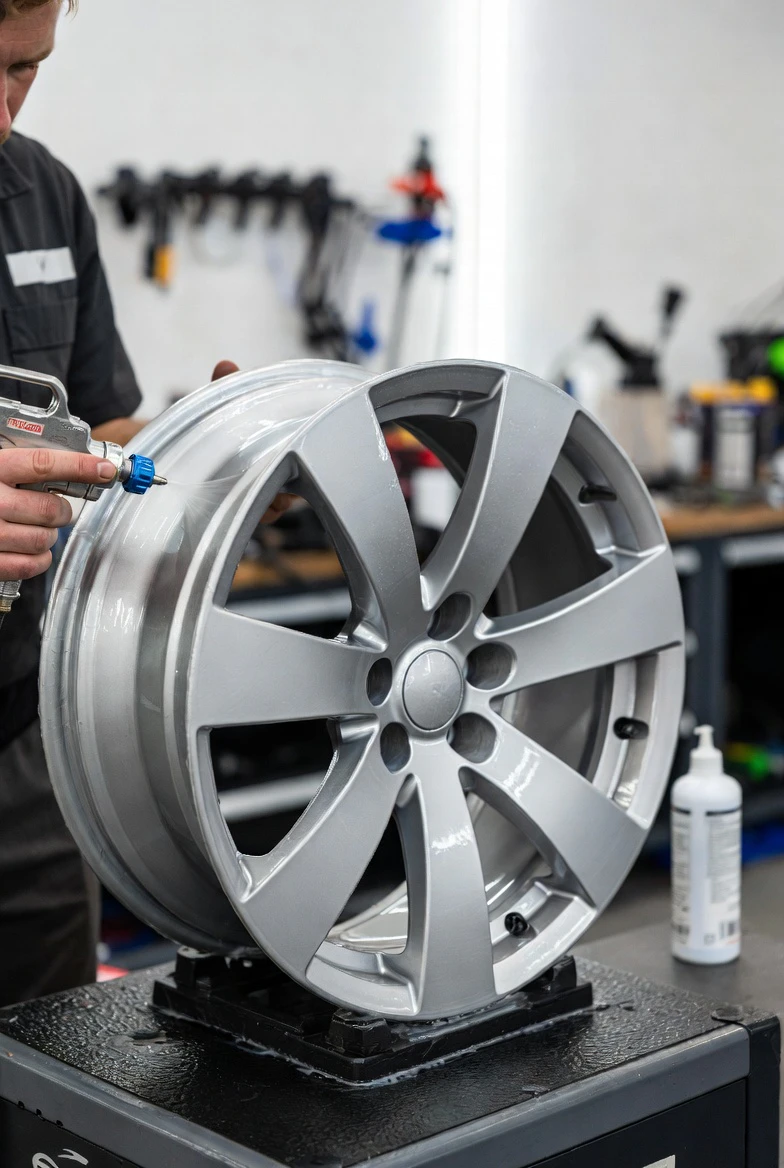
Ceramic coatings are thin, transparent layers of silicon-based polymers applied to wheel surfaces to provide superior protection and enhanced aesthetics. These coatings create a hydrophobic surface, repelling water, dirt, and contaminants, making wheels easier to clean and maintain. In 2025, advancements in ceramic coating technology have led to formulations with improved durability, chemical resistance, and UV protection. Pro ceramic coatings are also becoming more environmentally friendly. While ceramic coatings offer exceptional gloss and depth of color, they typically require professional application and are more expensive than powder coating. The enhanced protection against environmental factors and ease of maintenance make ceramic coatings a premium choice for discerning automotive enthusiasts.
Choosing the Right Coating for Your Needs
Selecting the optimal wheel coating depends on specific performance requirements, budget considerations, and aesthetic preferences. For applications prioritizing maximum durability and cost-effectiveness, powder coating remains a reliable choice. It offers excellent protection against mechanical damage and environmental factors. Conversely, ceramic coatings are ideal for those seeking superior protection, ease of maintenance, and enhanced visual appeal. While more expensive, ceramic coatings provide a long-lasting, hydrophobic surface that keeps wheels looking their best. Automotive professionals should carefully evaluate these factors to determine the most suitable coating for each application. Considering the environmental impact and opting for eco-friendly coating options is also increasingly important in 2025.