Powder Coat vs Paint for Off-Road Rims: Which Finish Actually Survives the Trail?
The ultimate durability showdown — discover which rim finish protects your investment through rock crawling, mud, salt spray, and extreme off-road conditions.
When you’re building an off-road rig that can handle anything from Moab’s slickrock to the Rubicon’s granite boulders, your rims are going to take a beating. The finish you choose isn’t just about looks — it’s about protecting your investment and ensuring your wheels can survive whatever the trail throws at them. At AEGIS RIM, we get this question almost daily: “Should I powder coat my wheels or go with paint?” The answer isn’t simply about color preferences — it’s about understanding how each finish performs when facing rock strikes, mud, salt spray, and the constant punishment of serious off-road driving.
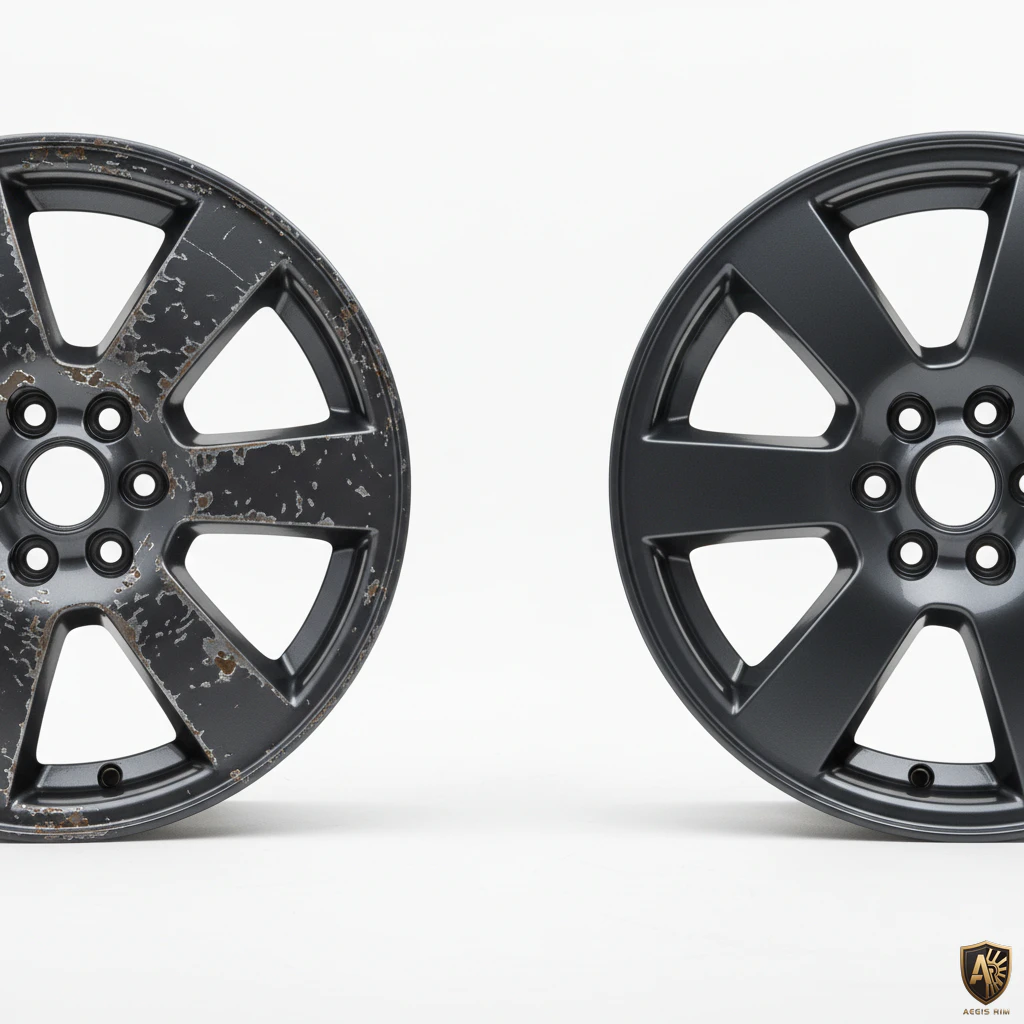
Understanding the Science: How Each Finish Works
Before we dive into performance comparisons, it’s crucial to understand what makes these finishes different at a fundamental level. Powder coating isn’t just “paint without the liquid” — it’s a completely different beast. The process begins with electrostatically charged powder particles that are attracted to your grounded rim like magnets. When the coated rim enters the curing oven at temperatures between 350-400°F, those powder particles chemically cross-link and bond to form a continuous film that’s actually bonded to the metal at a molecular level.
Traditional paint systems use a multi-layer approach: primer for adhesion, base coat for color, and clear coat for protection. While modern automotive paints have evolved significantly, they’re still fundamentally different from powder coating in terms of thickness and bonding method. Paint relies on solvent evaporation and chemical curing, creating a thinner, more vulnerable barrier.
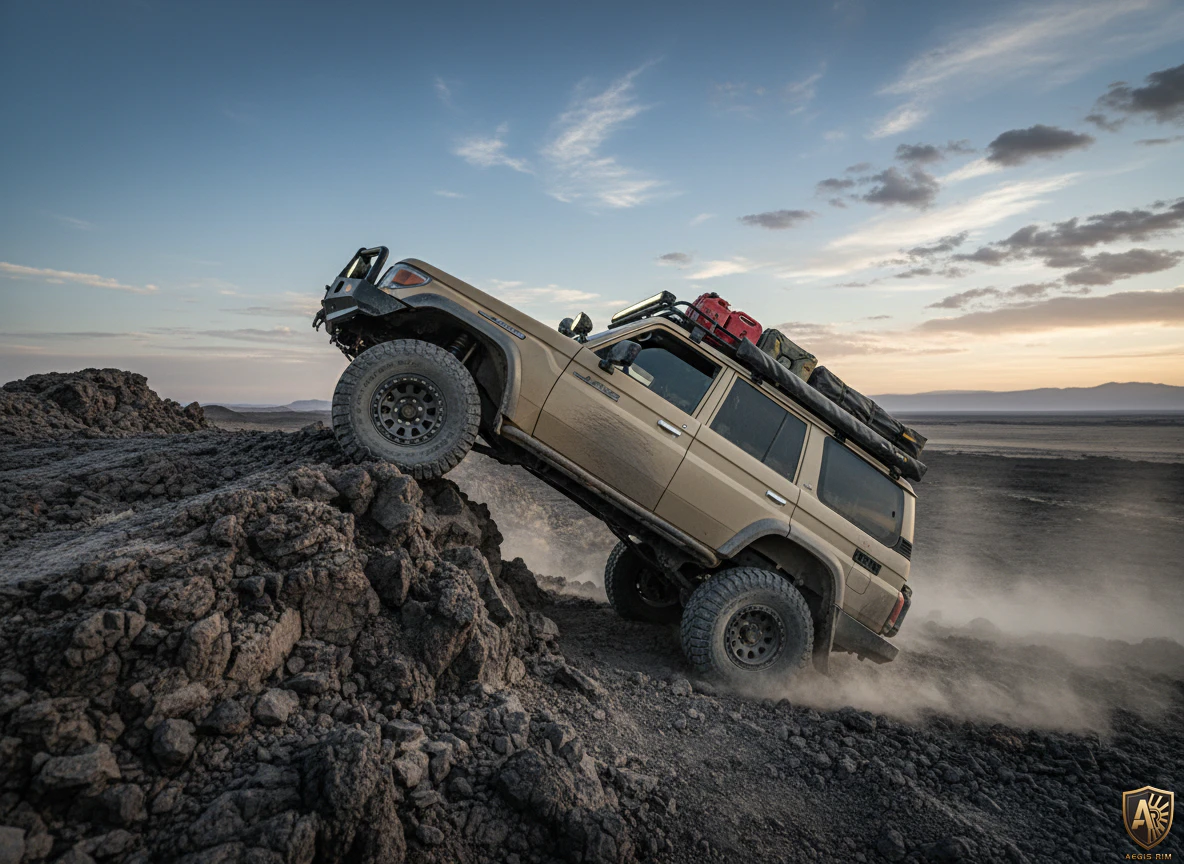
The Durability Showdown: Real-World Performance
When rubber meets rock and your rims are inches away from granite walls, durability isn’t just important — it’s everything. Powder coating’s thicker application (typically 2-4 mils vs paint’s 1-2 mils) and chemical bonding create superior impact resistance. When a rock hits a powder-coated rim, the coating flexes slightly with the metal, absorbing the impact without chipping through to bare metal.
Paint, being thinner and more brittle, is more likely to chip on impact, exposing the metal underneath to corrosion. This is where the difference becomes dramatic — powder coating forms a continuous, non-porous barrier that’s extremely difficult for moisture and chemicals to penetrate. Even if scratched, the surrounding powder coat remains firmly bonded, preventing corrosion from spreading beneath the finish.
The True Cost: Initial Investment vs Long-Term Value
The cost conversation goes far beyond the initial price tag. When you’re investing in quality off-road rims, understanding the total cost of ownership over time is crucial for making the right decision.
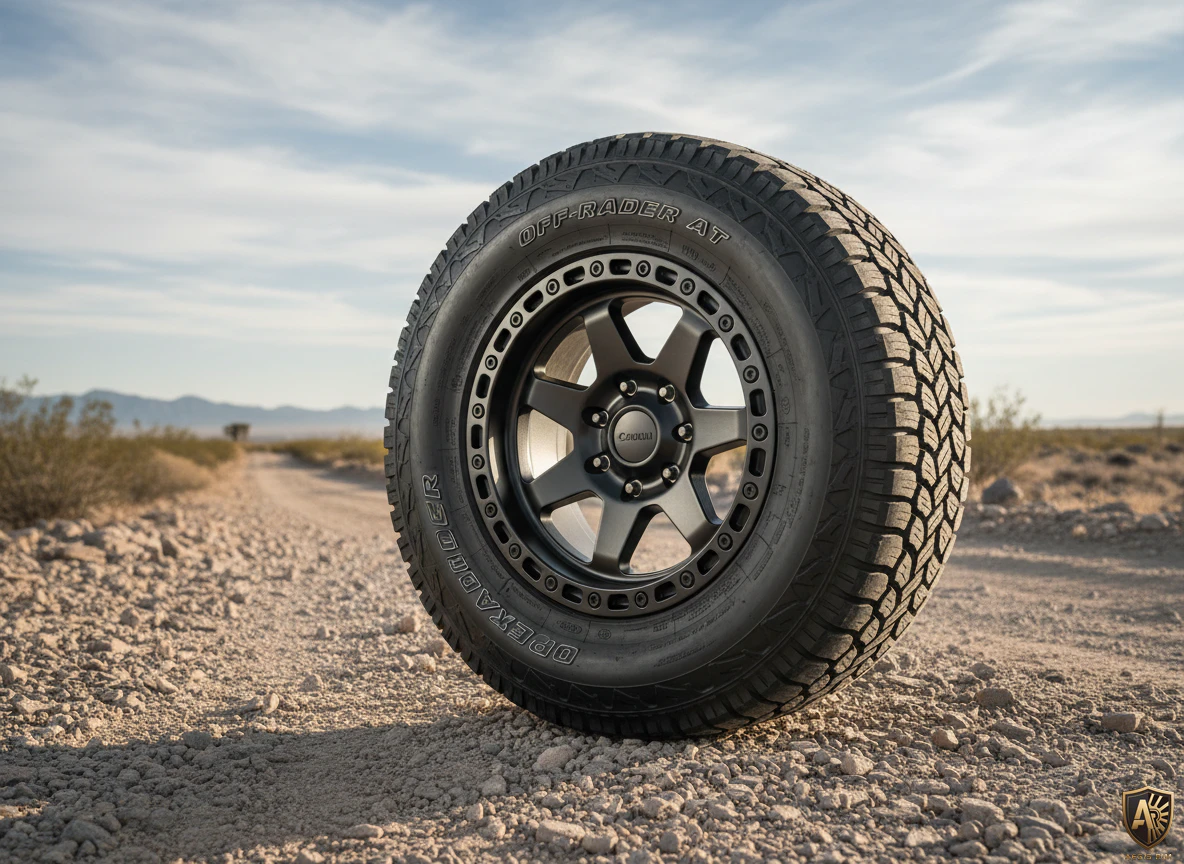
Making Your Decision: Which Finish Fits Your Adventure?
Choose Powder Coating If:
• You regularly tackle technical rock crawling or desert racing
• Your rig faces harsh weather conditions including salt, snow, or coastal environments
• You prefer low-maintenance solutions that look good with minimal effort
• You plan to keep your vehicle long-term and want maximum durability
Choose Paint If:
• Your rig is primarily street-driven with light trail use
• You want complex graphics or exact color matching
• You enjoy changing your vehicle’s appearance periodically
• Budget constraints make the lower initial cost important
The Bottom Line: Protecting Your Investment
For most off-road and overland builds in North America, powder coating is the superior engineering choice. It offers better impact resistance, longevity, and environmental protection, ensuring your AEGIS rims perform as aggressively as they look. While paint still has its place for show builds and exact color matching, if your rims are going to live in rock gardens, mud holes, and winter slush, powder coating is the finish that consistently survives the trail.