Wheel Safety: Bead Locks vs. GripSafe in 2025
The automotive industry constantly evolves, with wheel and tire technology playing a critical role in vehicle safety and performance. As we move into 2025, advancements in bead retention systems are reshaping how we approach challenging driving conditions. This article explores the crucial differences between traditional bead lock systems and newer technologies like GripSafe, analyzing their strengths, weaknesses, and applications for modern vehicles.
Understanding Traditional Bead Lock Technology
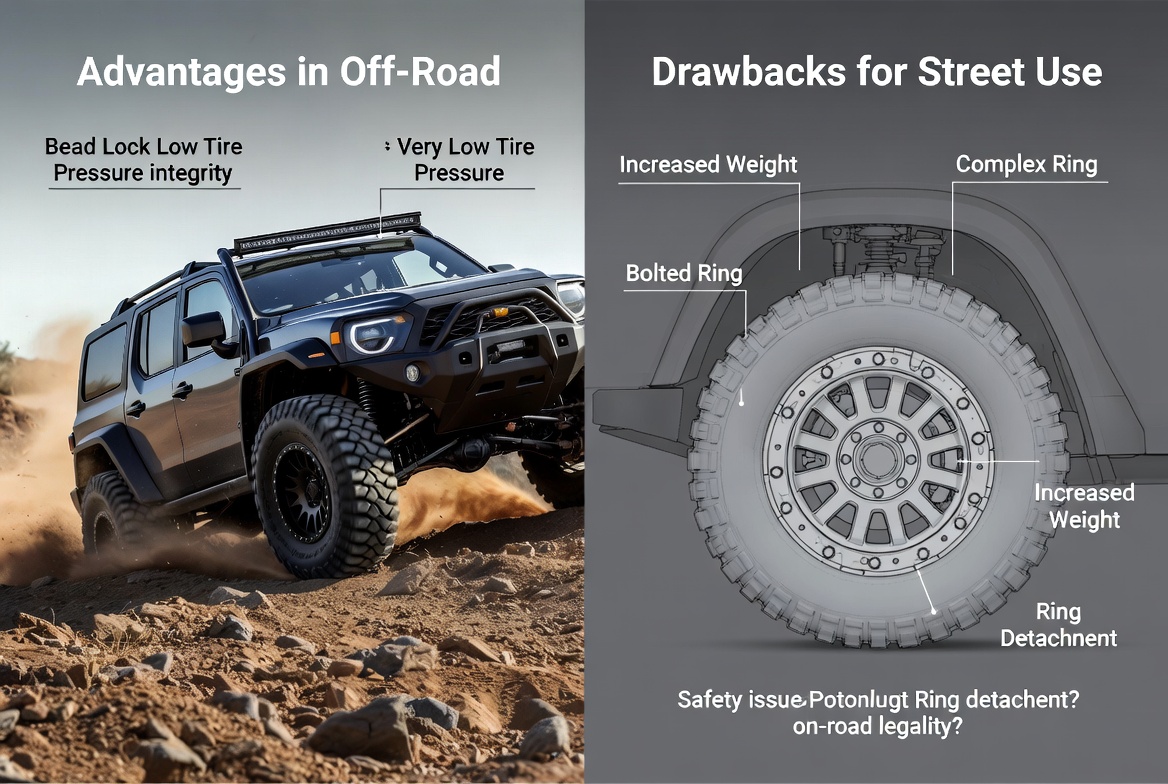
Traditional bead lock wheels utilize a mechanical clamping system to secure the tire bead to the wheel. This is typically achieved with an external ring that bolts onto the wheel, compressing the tire bead against the wheel’s outer lip. Bead locks are primarily used in off-road applications where extremely low tire pressures are required for optimal traction. By preventing the tire from de-beading (separating from the wheel), bead locks allow drivers to navigate rocky terrain and other obstacles without losing tire pressure or control.
However, traditional bead lock systems have drawbacks. They often require specialized installation and maintenance, and can be heavier than standard wheels. Furthermore, their legality for on-road use is questionable in many jurisdictions due to safety concerns related to the clamping mechanism’s potential failure and the altered handling characteristics. Beadlocks also may not be DOT approved, limiting their usability.
The Rise of Mechanical Retention Systems: GripSafe and Bead Grip
In recent years, alternative bead retention systems have emerged, offering a compromise between the extreme capabilities of bead locks and the everyday usability of standard wheels. These systems, such as Aegis Rim’s GripSafe and Method Race Wheels’ Bead Grip, employ mechanical features integrated into the wheel design to enhance bead retention without the need for external clamping rings.
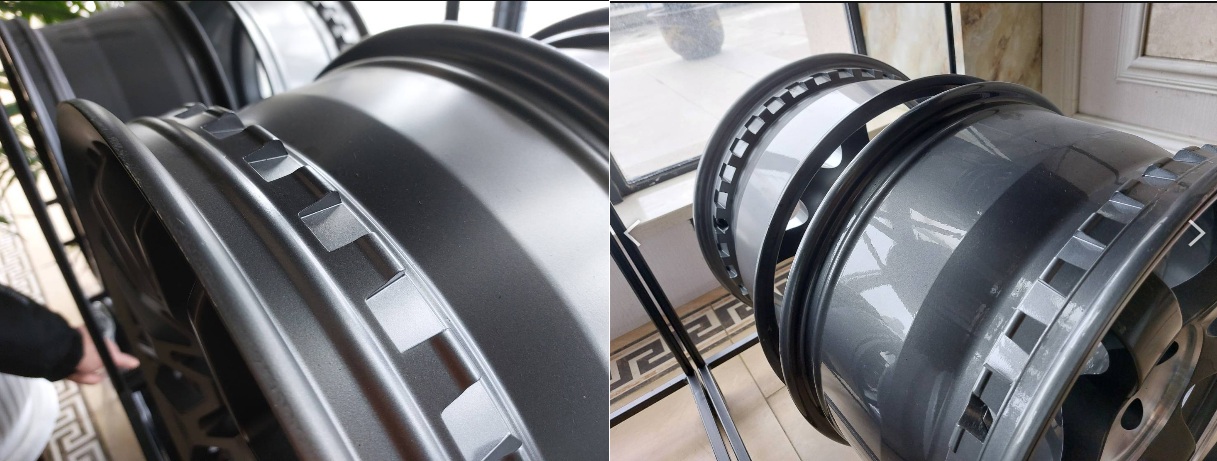
GripSafe technology, for example, utilizes strategically placed grooves and contours on the wheel’s bead seat to increase the friction between the tire and the wheel. This enhanced friction helps prevent the tire from slipping or de-beading, even at lower tire pressures. Similarly, Method’s Bead Grip incorporates a series of ridges and humps on the wheel’s inner and outer bead seats to provide a secure grip on the tire. These systems aim to provide improved off-road performance while maintaining on-road safety and compliance.
GripSafe vs. Traditional Bead Locks: A Comparative Analysis for 2025
When comparing GripSafe and similar mechanical retention systems to traditional bead locks, several key factors come into play. GripSafe offers a significant advantage in terms of on-road legality and safety. Because it doesn’t rely on external clamping rings, it avoids the regulatory hurdles and potential failure points associated with traditional bead locks. This makes it a more suitable option for drivers who want enhanced off-road performance without sacrificing on-road usability.
However, traditional bead locks still hold an edge in extreme off-road situations where extremely low tire pressures are necessary. The clamping force of a bead lock provides a higher level of security against de-beading than mechanical retention systems. Ultimately, the choice between GripSafe and traditional bead locks depends on the driver’s specific needs and priorities. For those who prioritize on-road safety and compliance while still seeking improved off-road performance, GripSafe presents a compelling option. For hardcore off-road enthusiasts who require the ultimate in bead retention, traditional bead locks may still be the preferred choice.