Optimizing BMW M3 G80 Performance with Forged Wheels (2025)
In the pursuit of enhanced performance for the BMW M3 G80 on the track, upgrading to high-performance forged wheels is a critical step. This article delves into the engineering principles behind optimizing wheel selection for motorsport applications in 2025, focusing on lightweight design, unsprung mass reduction, and handling improvements.

The Science of Unsprung Mass
Unsprung mass refers to the weight of components not supported by the vehicle’s suspension, including wheels, tires, brakes, and a portion of the suspension system itself. Reducing unsprung mass is paramount for improving handling, acceleration, and braking performance. Lighter wheels allow the suspension to react more quickly to road imperfections, maintaining better tire contact and control. According to recent industry analysis, aftermarket wheels significantly contribute to reducing unsprung weight, directly enhancing vehicle dynamics.
Forged Wheel Technology for Motorsport
Forged wheels offer a superior strength-to-weight ratio compared to cast wheels. The forging process involves compressing a solid billet of aluminum under extreme pressure, resulting in a denser, more durable structure. This allows engineers to design wheels that are significantly lighter without sacrificing strength, crucial for the demanding conditions of racing. Furthermore, forged wheels offer greater design flexibility, enabling optimized spoke patterns and rim profiles that can further enhance performance. The 2025 Harley-Davidson® CVO™ Road Glide® RR uses cast aluminum wheels to reduce unsprung mass, showcasing the industry-wide focus on this optimization.
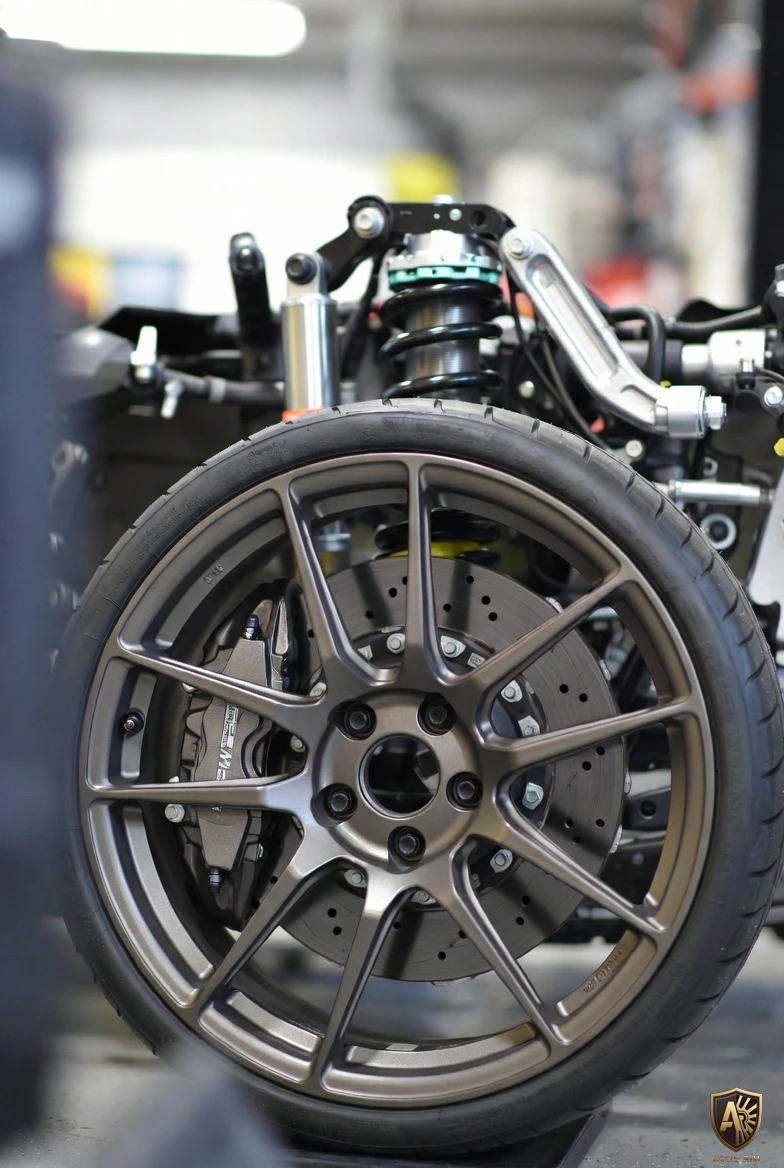
Optimizing Wheel Fitment and Performance for the G80 M3
Selecting the correct wheel size, offset, and tire combination is crucial for maximizing the performance benefits of forged wheels on the BMW M3 G80. Proper fitment ensures optimal clearance with brake components and suspension elements, preventing rubbing and maintaining proper suspension geometry. Wider wheels and tires can increase grip and improve handling, but it’s essential to consider the impact on rolling resistance and overall vehicle balance. Professional consultation with a wheel engineering specialist is recommended to ensure optimal fitment and performance for specific track conditions and driving styles. As the high-performance wheels market continues to grow, projected to reach USD 48.16 billion by 2034, the importance of expert fitment advice will only increase.