Beadlocks vs. Bead Grip: Enhanced Wheel Safety in 2025
As automotive technology advances, wheel and tire safety remains paramount, especially in performance and off-road applications. This article explores the evolution of wheel technology, focusing on beadlock systems, bead retention methods like Bead Grip, and their advantages over traditional wheel designs in maintaining tire bead seating under extreme conditions. We’ll examine how these systems enhance safety and performance, referencing industry insights from 2025 and 2026.
The Challenge: Tire Bead Retention at Low Pressure
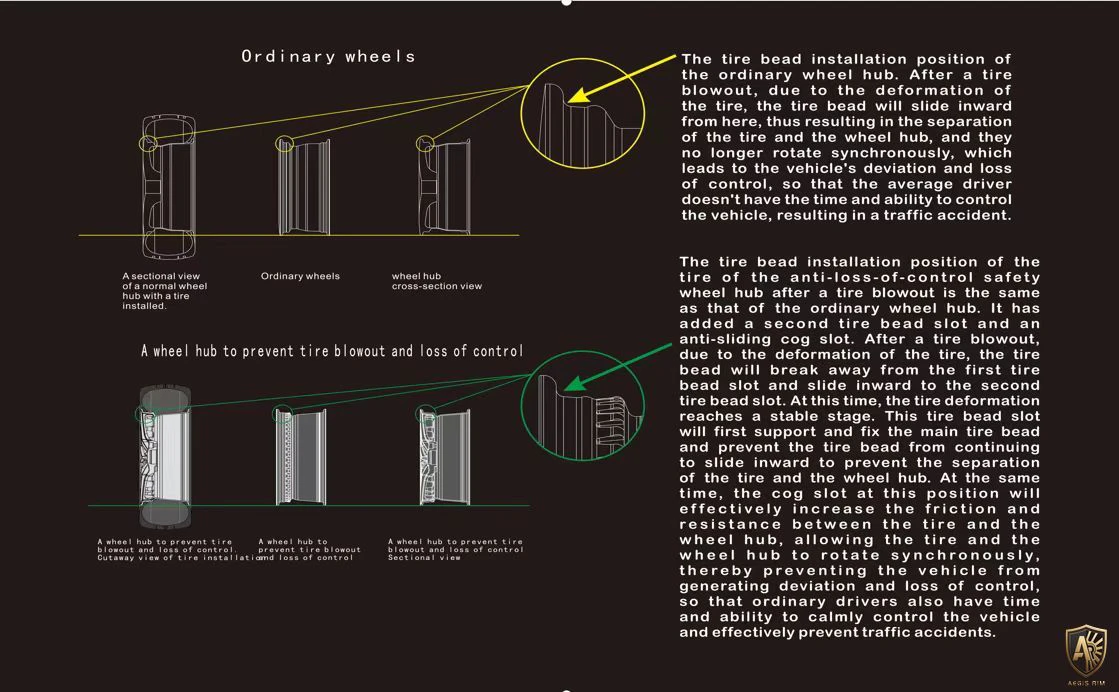
Traditional wheels rely on air pressure to maintain the tire bead’s contact with the wheel rim. Lowering tire pressure, a common practice in off-roading to increase traction, reduces this force and increases the risk of the tire debeading – separating from the rim. This can lead to sudden tire deflation, loss of control, and potential accidents. Factors such as vehicle weight, tire size and load rating, and the ratio of wheel width to tire width all contribute to the likelihood of debeading, as highlighted in recent industry discussions. The need for robust mechanical retention systems becomes critical in scenarios where low tire pressure is essential for optimal performance.
Beadlock Technology: A Mechanical Solution
Beadlock wheels directly address the debeading issue by mechanically clamping the tire bead to the wheel rim. This is typically achieved using a bolted ring that applies pressure to the tire bead, preventing it from slipping off the rim, even at very low or zero air pressure. While beadlocks offer superior bead retention, especially when airing down below 10psi (according to Facebook discussions from January 2026), they also have drawbacks. They are often heavier than standard wheels, can be more complex to install and maintain, and may not be street legal in all jurisdictions due to safety regulations and concerns about their impact on ride quality and handling on paved surfaces.
Bead Grip and Other Retention Systems: Bridging the Gap
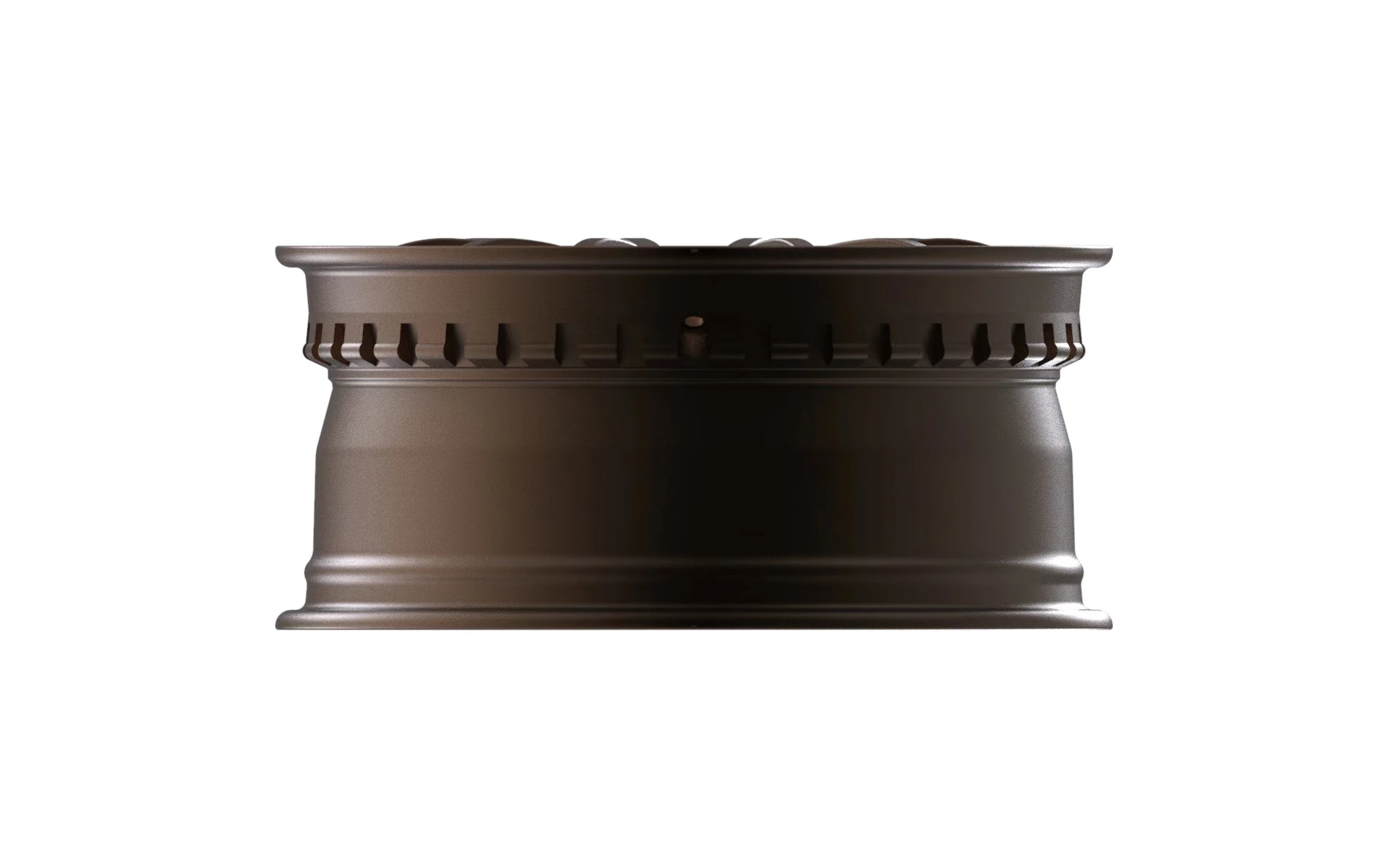
Recognizing the limitations of traditional beadlocks, manufacturers have developed alternative bead retention systems. Method Race Wheels’ Bead Grip technology, for example, utilizes a series of ridges and contours on the wheel rim to increase the friction between the tire bead and the wheel. This provides a significantly stronger hold compared to conventional wheels, allowing for lower tire pressures without the risk of debeading, as noted by Northridge4x4 in July 2025. Bead retention wheels, in general, aim to lock the tire bead in place, offering enhanced grip and control, especially in off-road environments. These systems often strike a balance between the extreme performance of beadlocks and the everyday usability of standard wheels, making them a popular choice for enthusiasts who want improved off-road capability without compromising on-road manners.