Survive a 70mph Tire Blowout: GripSafe Technology Safety Advantage
What happens when a tire fails at highway speed — and how AEGIS GripSafe gives you the stability to maintain control.
At 70mph, a sudden loss of tire pressure can trigger catastrophic instability. Centrifugal forces, lateral imbalance, and bead separation can rapidly take the vehicle out of control. AEGIS GripSafe’s mechanical bead lock engages instantly, stabilizing tire engagement and giving drivers critical reaction time.

Physics of High-Speed Blowouts
A tire failure at highway speeds results in abrupt force redistribution. Without bead lock engagement, the contact patch can collapse, leading to loss of steering and directional stability. GripSafe’s mechanical system counters this by maintaining bead integrity during lateral force spikes.
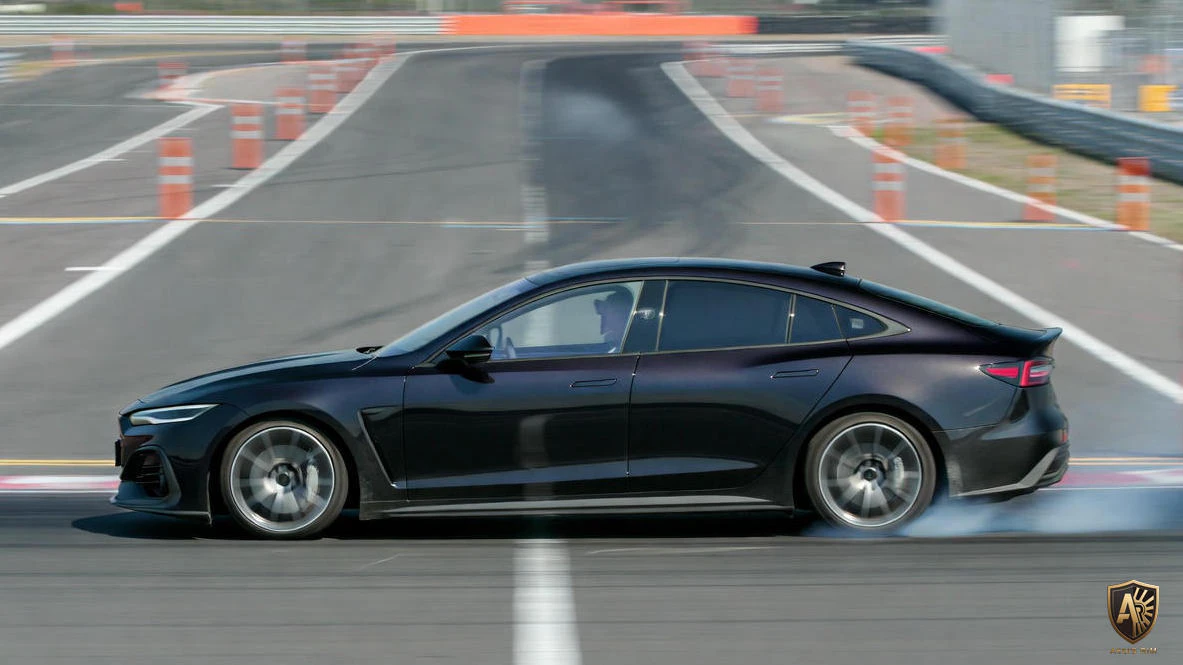
GripSafe vs Traditional Systems
Traditional run-flat or passive support systems often struggle with lateral stability at high speed, especially when steering corrections are required. GripSafe mechanically locks the bead, effectively reducing slippage and preserving predictable handling during the first critical seconds.
Highway blowouts are among the most dangerous vehicle incidents. With AEGIS GripSafe, drivers benefit from engineered bead retention that enhances control during the most critical moments — a significant safety advantage for performance vehicles on American roads.